




When you sell stocks, exchange-traded funds (ETFs) or other equity investments for more than you paid, the profit is generally subject to capital gains tax. The capital gains tax on equity depends on how long you held the investment, your taxable income and whether the asset was sold in a taxable or tax-advantaged account. Federal tax rules apply different rates to short-term and long-term gains, while state taxes can further affect how much you owe. Because equities often make up a large share of personal investment portfolios, capital gains taxes can influence when investors sell and how much of their returns they ultimately keep.
A financial advisor can help you evaluate tax-aware strategies for managing equity gains as part of a broader investment and financial plan.
What Is Capital Gains Tax on Equity?
Capital gains tax refers to the tax imposed on the profit earned from selling an asset for more than its purchase price. In the context of equity investments, this tax typically applies to stocks, ETFs and equity mutual funds held in taxable accounts. The capital gains tax on equity is triggered only when a gain is realized through a sale.
Profits from equities are taxed differently depending on the length of time the asset was held before being sold. Federal tax law distinguishes between short-term and long-term gains, each with its own tax treatment. These rules are designed to encourage longer-term investing by offering lower tax rates for assets held beyond a minimum holding period.
It’s also important to distinguish between realized and unrealized gains. Unrealized gains reflect increases in value while the investment is still held, and these are not taxable. Capital gains tax on equity applies only when the gain becomes realized through a sale or exchange.
Short-Term vs. Long-Term Capital Gains on Equities
The holding period of an equity investment determines whether a gain is classified as short-term or long-term. If an asset is held for one year or less before it is sold, the gain is considered short-term. Assets held for more than one year qualify for long-term treatment.
Short-Term Capital Gains Tax Rates
Short-term capital gains tax on equity is applied at ordinary income tax rates. These rates range from 10% to 37%, depending on the investor’s taxable income and filing status. As a result, short-term equity gains may be taxed at higher rates than long-term gains.
The following table breaks down the short-term capital gains tax rates for 2026, according to income and filing status:
| Rate | Single | Married Filing Jointly | Married Filing Separately | Head of Household |
|---|---|---|---|---|
| 10% | $0 – $12,400 | $0 – $24,800 | $0 – $12,400 | $0 – $17,700 |
| 12% | $12,401 – $50,400 | $24,801 – $100,800 | $12,401 – $50,400 | $17,701 – $67,450 |
| 22% | $50,401 – $105,700 | $100,801 – $211,400 | $50,401 – $105,700 | $67,451 – $105,700 |
| 24% | $105,701 – $201,775 | $211,401 – $403,550 | $105,701 – $201,775 | $105,701 – $201,775 |
| 32% | $201,776 – $256,225 | $403,551 – $512,450 | $201,776 – $256,225 | $201,776 – $256,200 |
| 35% | $256,226 – $640,600 | $512,451 – $768,700 | $256,226 – $384,350 | $256,201 – $640,600 |
| 37% | $640,601+ | $768,701+ | $384,351+ | $640,601+ |
And here are the income tax rates for tax year 2025:
| Rate | Single | Married Filing Jointly | Married Filing Separately | Head of Household |
|---|---|---|---|---|
| 10% | $0 – $11,925 | $0 – $23,850 | $0 – $11,925 | $0 – $17,000 |
| 12% | $11,926 – $48,475 | $23,851 – $96,950 | $11,926 – $48,475 | $17,001 – $64,850 |
| 22% | $48,476 – $103,350 | $96,951 – $206,700 | $48,476 – $103,350 | $64,851 – $103,350 |
| 24% | $103,351 – $197,300 | $206,701 – $394,600 | $103,351 – $197,300 | $103,351 – $197,300 |
| 32% | $197,301 – $250,525 | $394,601 – $501,050 | $197,301 – $250,525 | $197,301 – $250,500 |
| 35% | $250,526 – $626,350 | $501,051 – $751,600 | $250,526 – $375,800 | $250,501 – $626,350 |
| 37% | $626,351+ | $751,601+ | $375,801+ | $626,351+ |
Long-Term Capital Gains Tax Rates
Long-term capital gains receive preferential tax treatment. Depending on taxable income, long-term capital gains tax rates are generally 0%, 15% or 20% at the federal level. Eligibility for these rates depends on both the holding period and the taxpayer’s income level in the year of sale.
The following table breaks down the long-term capital gains tax rates for 2026:
| Tax Rate | Individuals | Married Filing Jointly | Head of Household | Married Filing Separately |
|---|---|---|---|---|
| 0% | $0 – $49,450 | $0 – $98,900 | $0 – $66,200 | $0 – $49,450 |
| 15% | $49,451 – $545,500 | $98,901 – $613,700 | $66,201 – $579,600 | $49,451 – $306,850 |
| 20% | $545,501+ | $613,701+ | $579,601+ | $306,851+ |
And here are the long-term capital gains tax rates for 2025:
| Tax Rate | Individuals | Married Filing Jointly | Head of Household | Married Filing Separately |
|---|---|---|---|---|
| 0% | $0 – $48,350 | $0 – $96,700 | $0 – $64,750 | $0 – $48,350 |
| 15% | $48,351 – $533,400 | $96,701 – $600,050 | $64,751 – $566,700 | $48,351 – $300,000 |
| 20% | $533,401+ | $600,051+ | $566,701+ | $300,001+ |
How Capital Gains Tax on Equity Is Calculated
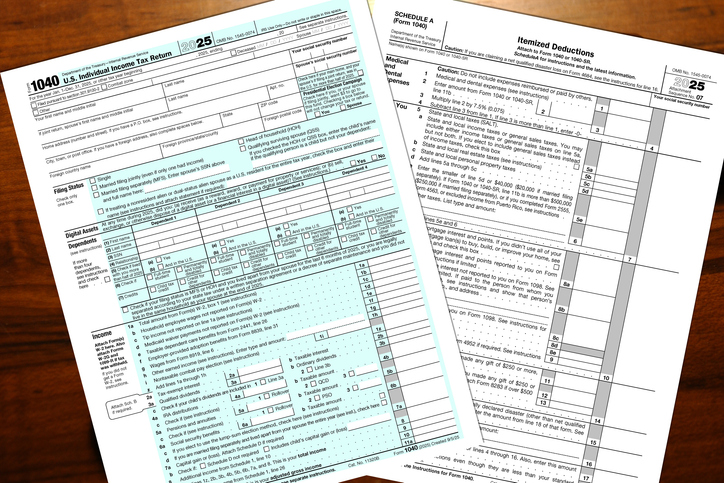
Calculating capital gains tax on equity begins with determining the investment’s cost basis. Cost basis is generally the original purchase price of the asset, including commissions and transaction fees. This figure serves as the benchmark for calculating gains or losses in the sale of an investment.
To calculate the realized gain, subtract the cost basis from the sale price. If the sale price exceeds the cost basis, the result is a capital gain. If the sale price is lower, the result is a capital loss, which may be used to offset other gains.
Certain adjustments can affect cost basis over time. Reinvested dividends increase the basis of an investment, reducing taxable gains when shares are sold. Stock splits do not change total cost basis but affect the per-share basis, while commissions generally increase the cost basis and reduce the taxable gain.
For example, if an investor purchases stock for $10,000 and later sells it for $14,000 after holding it for 18 months, the $4,000 profit is considered a long-term gain. Depending on the investor’s income, that gain may be taxed at a rate of 0%, 15% or 20%.
If the same stock were sold after six months, the $4,000 profit would be subject to short-term capital gains tax on equity at the ordinary income tax rates listed in the table above.
Capital Gains Tax on Equity in Tax-Advantaged Accounts
Capital gains tax on equity applies primarily to taxable brokerage accounts. When equities are bought and sold in these accounts, realized gains are subject to federal and, in many cases, state taxes. The timing of sales directly affects when taxes are owed.
In tax-advantaged accounts such as traditional IRAs and 401(k)s, equity gains are not taxed when realized. Instead, taxes are generally owed when funds are withdrawn from the account, and withdrawals are typically taxed as ordinary income. This structure allows equity investments to grow without triggering capital gains taxes during the accumulation phase.
Roth IRAs and Roth 401(k)s have different tax treatment. Qualified withdrawals from Roth accounts are tax-free, including gains generated by equity investments. As a result, capital gains tax on equity does not apply to eligible Roth withdrawals, provided contribution and holding requirements are met.
How State Taxes Affect Capital Gains on Equities
In addition to federal taxes, many states impose their own taxes on capital gains. Most states tax capital gains as ordinary income, applying the same tax rates used for wages and other earnings. This can significantly increase the total tax owed on equity gains.
Some states offer preferential treatment for capital gains or exclude certain investment income altogether. Others have no state income tax, meaning equity gains are subject only to federal capital gains tax. State rules vary widely and can change over time.
The impact of state taxes is especially relevant for investors with large equity positions or frequent sales. Capital gains tax on equity at the state level can alter net returns and influence decisions around timing or relocation. This highlights the importance of coordinating federal and state tax considerations when selling investments.
Strategies That May Reduce Capital Gains Tax on Equity
Investors may use a variety of tax-aware strategies to help manage capital gains tax on equity, depending on their income, time horizon and overall financial situation. These approaches focus on timing sales, offsetting gains and aligning investment decisions with broader tax planning considerations. Such strategies include:
- Timing sales for long-term treatment: Holding an investment for more than one year before selling may qualify the gain for long-term capital gains tax rates, which are generally lower than short-term rates. Higher-income investors may find this strategy particularly impactful.
- Tax-loss harvesting: Selling investments at a loss can help offset capital gains from other equity sales. Excess losses may also offset a limited amount of ordinary income and can be carried forward to future tax years.
- Aligining equity sales with income planning: Selling investments during years with lower taxable income may result in lower capital gains tax rates. This approach can make sense during retirement or periods of reduced earnings.
- Charitable giving of appreciated equity: Donating appreciated stocks or other equity directly to a qualified charity may allow investors to avoid capital gains tax on equity while still receiving a charitable deduction. Individuals with highly appreciated assets commonly use this strategy.
Bottom Line

Capital gains tax on equity applies when you sell stocks, ETFs or other equity investments in a taxable account for more than you paid for them. How much tax you owe depends on factors such as how long you held the investment, your taxable income, your original purchase price and whether your state also taxes capital gains.
Tax Planning Tips
- For individuals managing significant equity investments or coordinating multiple income sources, working with a financial advisor may provide valuable insight into tax-aware equity planning strategies. Finding a financial advisor doesn’t have to be hard. SmartAsset’s free tool matches you with vetted financial advisors who serve your area, and you can have a free introductory call with your advisor matches to decide which one you feel is right for you. If you’re ready to find an advisor who can help you achieve your financial goals, get started now.
- SmartAsset’s tax return calculator has updated brackets and rates to help you estimate your next refund or balance.
Photo credit: ©iStock.com/seb_ra, ©iStock.com/Larry_Reynolds, ©iStock.com/2d illustrations and photos
Read the full article here